
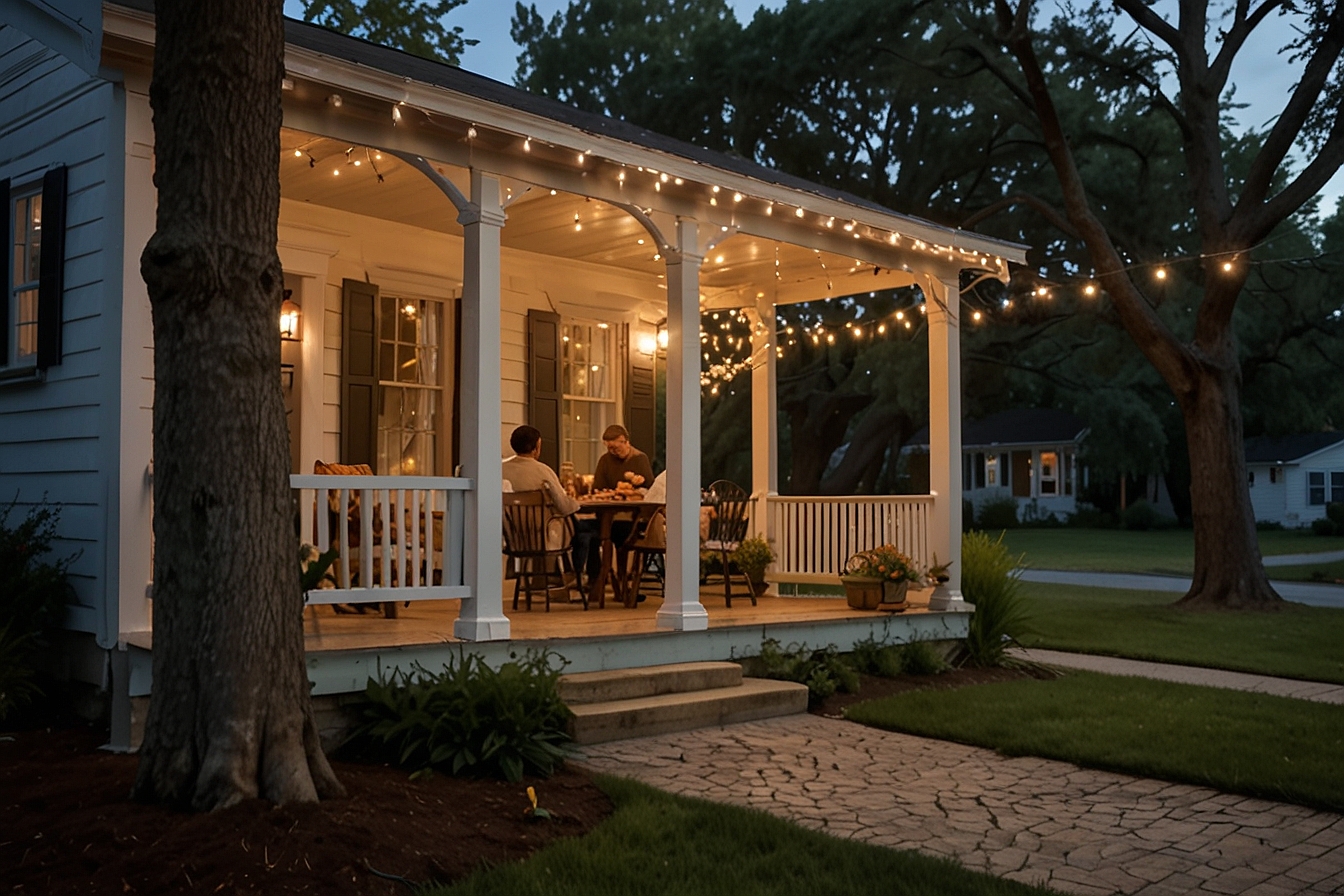
Imagine a life where your neighborhood feels like a lifelong circle of friends, where local traditions are cherished, and each day is paced for genuine enjoyment. This is the allure of the Carolina Friends Lifestyle, a concept celebrated for its warmth and connectivity. However, beneath this idyllic vision of community, comfort, and culture lies a practical framework of legal and structural considerations that make such a lifestyle sustainable and protected. For the savvy individual or family drawn to this way of living, understanding these foundations is not about dampening the spirit, but about ensuring its longevity and authenticity.
The Legal Pillars of Community
At its heart, the Carolina Friends Lifestyle thrives on a sense of belonging and mutual support. This doesn’t happen by accident. Legally, this community is often supported by specific entity structures and agreements that formalize the shared values residents hold dear.
A common structure for intentional communities or neighborhood associations is the Homeowners Association (HOA) or a similar non-profit corporation. These entities create legally binding covenants, conditions, and restrictions (CC&Rs) that can preserve the aesthetic, environmental, and social character of a neighborhood. For instance, they might regulate signage to maintain charm, protect green spaces for communal gatherings, or even set guidelines for outdoor lighting to preserve a certain ambiance. While sometimes viewed as restrictive, when aligned with the “Friends” ethos, these tools can legally safeguard the very atmosphere that defines the lifestyle.
Alternatively, some groups may form a Limited Liability Company (LLC) or Cooperative to jointly manage property, such as a shared garden, clubhouse, or beach access point. This legal separation protects individual members from personal liability and provides a clear operational structure. The table below outlines common legal entities that support this lifestyle’s community pillar:
| Entity Type | Primary Purpose in This Context | Key Benefit for Residents |
|---|---|---|
| Homeowners Association (HOA) | Manage common areas & enforce community standards. | Preserves neighborhood character, property values, and shared amenities. |
| Non-Profit Corporation | Organize cultural events, farmers’ markets, or heritage projects. | Liability protection for organizers; tax-exempt status potential. |
| Limited Liability Company (LLC) | Own and operate a shared business (e.g., a community-owned cafe or shop). | Limits personal financial risk for member-investors. |
| Cooperative Housing | Jointly own and manage residential property. | Democratic control, reduced costs, and strong community bonds. |
Protecting the Culture: Intellectual Property and Local Commerce
The cultural fabric of the Carolina Friends Lifestyle, with its local cuisine, art festivals, and regional heritage, is not just a backdrop. It is a valuable asset. Legally, this involves intellectual property (IP) and support for local commerce.
Consider a local restaurant that becomes a neighborhood staple, known for a unique dish that embodies “Southern charm.” Its recipe, brand name, and logo are intellectual property. Trademarks protect the name, preventing confusion and dilution if a chain tried to capitalize on the local goodwill. Trade secrets might guard that beloved recipe. Meanwhile, local artists at community festivals rely on copyright law to protect their original paintings, music, and crafts.
Supporting local businesses, a cornerstone of this lifestyle, also has a legal dimension. It involves understanding and advocating for zoning laws that favor independent shops over large conglomerates, and for local ordinances that facilitate farmers’ markets and street fairs. Patronizing these businesses creates a cycle where revenue supports compliance with health codes, business licenses, and employment laws, allowing them to thrive legally and sustainably.
Contractual Comfort: The Agreements That Enable Relaxation
The comfort and balance of this lifestyle often depend on unwritten social contracts. However, formal agreements provide the security that makes true relaxation possible.
For example, the simple pleasure of a backyard barbecue or a beachside meetup may involve the use of shared or private property. Good neighbor agreements, while often informal, can be guided by principles of nuisance law and property rights. More formally, rental agreements for vacation homes in these charming towns must be clear and compliant with state landlord-tenant laws to ensure everyone’s stay is comfortable and dispute-free.
Furthermore, the trend toward “mindful living” and wellness within this lifestyle intersects with legal considerations. Wellness coaches, yoga instructors, and freelance artisans operating in this space need proper business licenses, insurance, and service contracts. This protects both the provider and the participant, ensuring that pursuits of comfort and wellness are built on a solid, professional foundation.
Navigating Disputes: Preserving Harmony
Even in the most harmonious communities, disagreements arise. A core principle of the Carolina Friends Lifestyle is choosing connection over chaos. Legally, this translates to a preference for alternative dispute resolution (ADR) methods over immediate litigation.
Mediation, where a neutral third party helps facilitate a mutually agreeable solution, is often perfectly aligned with this lifestyle’s values. It is less adversarial, more private, and focuses on preserving relationships, whether between neighbors, between a resident and a local business, or within a community group. Many well-drafted HOA agreements and community bylaws now include clauses requiring mediation before any lawsuit can be filed. This legal foresight institutionalizes the cultural priority of harmony.
Building Your Own Carolina Friends Lifestyle: A Practical Checklist
Embracing this lifestyle mindfully means blending its aspirational qualities with practical steps. Here is a guide to building your own legally sound version of this life.
- Research Community Structures: Before moving into a neighborhood, thoroughly review the HOA covenants and financial health. Ensure the rules align with your vision of community living.
- Formalize Shared Visions: If you are creating a community group, consider drafting simple bylaws or a membership agreement that outlines purposes, roles, and contribution expectations.
- Support Local Legally: When engaging local services, from caterers to contractors, use clear, written contracts. This supports their business and ensures you understand the scope of work.
- Protect Your Contributions: If you create something, a community event logo, a local history blog, or a craft line, investigate trademark or copyright registration to protect your work.
- Prioritize Mediation Clauses: In any agreement you sign or draft with neighbors or local partners, include a clause requiring mediation before litigation. This protects relationships.
Ultimately, the Carolina Friends Lifestyle is a beautiful mosaic of social values. Viewing it through a legal lens does not undermine its authenticity. Instead, it reveals the often-invisible architecture that allows trust to flourish, culture to be safeguarded, and comfort to be deeply felt. The law, in this context, is not a set of restraints but the trellis upon which the vines of community, culture, and comfort can grow strong and lasting.
Frequently Asked Questions
Yes, potentially. HOAs can have rules on noise, parking, and the number of guests to protect the common comfort. The key is to review the CC&Rs before purchasing a home. Many communities with a social atmosphere write these rules reasonably to allow for frequent entertaining while preventing chronic disturbances.
You should first choose a business structure (like a sole proprietorship or LLC) and register it with the state. Next, obtain a local business license and a sales tax permit. Additionally, you should investigate product liability insurance, especially for food or craft items.
Communities can work with local preservation societies to seek historic designation, which brings legal protections against alteration or demolition. For natural areas, conservation easements are a powerful tool. This is a legal agreement where landowners, often with a land trust, restrict future development on the property to preserve its character permanently.
Immediately consider mediation. A professional mediator can help you both explore solutions, such as a shared maintenance agreement or a minor boundary adjustment, without the hostility of court. This approach is often faster, cheaper, and focused on finding a win-win solution that preserves your relationship.
Some can be, but they are notoriously difficult to enforce. For any significant agreement involving money, property, or services, a simple written document signed by both parties is crucial. This provides clarity, prevents misunderstandings, and protects the friendship in the long run.
You will likely need a permit from your city or town. Additionally, you must secure event liability insurance. If alcohol is served, you may need a special license and should consider using licensed servers to manage liability risks effectively.
Thriving local businesses increase local tax revenue, which funds public amenities like parks, libraries, and community centers that enhance the lifestyle. Moreover, these businesses are more likely to comply with and advocate for local zoning and environmental laws that maintain the area’s unique character, creating a virtuous cycle of legal and cultural preservation.
You May Also Like: Transform Your Health with The Valencia Lifestyle Book